


Laparoscopic surgery is a minimally invasive surgical technique performed through small incisions using a high-definition camera and specialised instruments. It is widely used in abdominal, gynaecological, urological, colorectal, and bariatric procedures.
Despite being standard practice for decades, safety concerns persist due to misinformation, older surgical experiences, and a misunderstanding of how the technique works.
This article examines common myths and presents medically accurate explanations based on surgical principles and current practice.
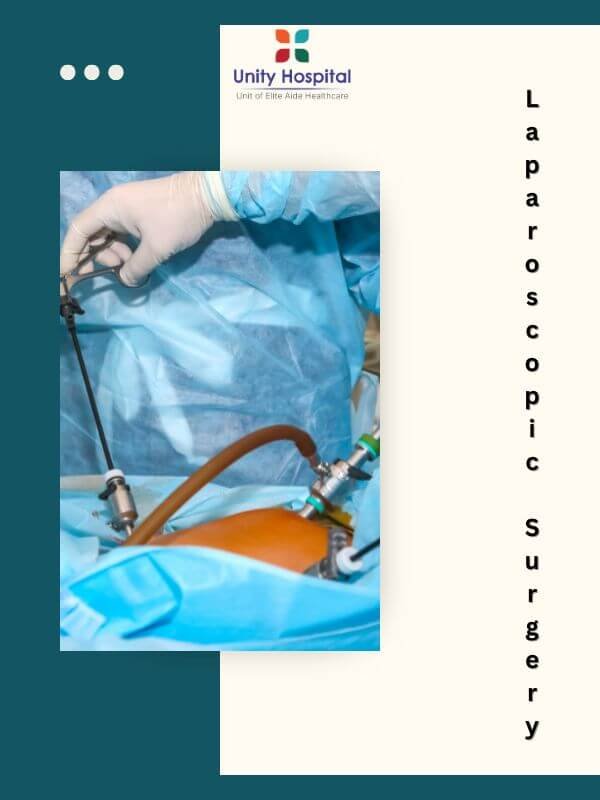
Understanding Laparoscopic Surgery
In laparoscopic surgery:
- Small incisions (5–15 mm) are made.
- Carbon dioxide is used to create working space in the abdomen.
- A camera provides magnified visualisation.
- Long instruments allow precise tissue handling.
The objective is to achieve the same surgical outcome as open surgery while minimising tissue trauma, postoperative pain, wound complications, and recovery time.
Myth: Laparoscopic Surgery Is Unsafe in Cancer Treatment
Truth: Oncological Safety Is Comparable in Selected Cases
Cancer surgery requires:
- Complete tumour removal with adequate margins
- Proper lymph node dissection
- Minimal tumour manipulation
- Safe specimen retrieval
Modern laparoscopic cancer surgery follows the same oncological principles as open surgery. For selected colorectal, gastric, gynaecological, and urological cancers, long-term survival rates are comparable when performed by trained specialists.
Safety depends on:
- Tumor stage
- Location
- Surgeon expertise
- Institutional experience
Laparoscopy is not appropriate for every cancer case, but it is not inherently unsafe.
Does Laparoscopic Surgery Require Local or General Anaesthesia?
This is a common and important question.
Most laparoscopic surgeries require general anaesthesia.
General anaesthesia is necessary because:
- Carbon dioxide inflation increases abdominal pressure.
- Muscle relaxation is required for safe instrument movement.
- Complete pain control is needed during internal organ manipulation.
- Controlled breathing is essential while the abdomen is insufflated.
Under general anaesthesia:
- The patient is unconscious.
- Breathing is supported and monitored.
- Heart rate, oxygen levels, and carbon dioxide levels are continuously observed.
Can laparoscopic surgery be done under local anaesthesia?
In most abdominal laparoscopic procedures, local anaesthesia alone is not sufficient.
However:
- Certain minor diagnostic laparoscopies in selected cases
- Some very limited procedures
- Procedures outside the abdominal cavity (e.g., arthroscopy in orthopaedics)
may use regional or local anaesthesia.
For standard abdominal laparoscopy (gallbladder, appendix, hernia, bowel, gynecologic surgery), general anaesthesia is the standard and safest method.
The anaesthesia plan is determined after evaluating:
- Age
- Heart and lung function
- Comorbidities
- Surgical complexity
Myth: After Laparoscopic Surgery, It Takes a Long Time to Heal
Truth: Recovery Is Typically Faster Than Open Surgery
Healing time depends on:
- Type of procedure
- Extent of tissue dissection
- Patient health status
Because laparoscopic surgery avoids large muscle incisions and reduces tissue exposure:
- Postoperative pain is generally lower
- Early mobilisation is possible.
- Hospital stay is shorter.
- Return to routine activities is faster.
Complex surgeries still require adequate recovery time, but overall tissue healing is usually quicker compared to open surgery.
Myth: Laparoscopy Is Only for Diagnosing Conditions
Truth: It Is a Definitive Treatment Method
Although originally introduced for diagnostic purposes, laparoscopy is now used for complete surgical management of:
- Gallbladder disease
- Appendicitis
- Hernias
- Endometriosis
- Ovarian cysts
- Bowel disease
- Obesity-related procedures
In most cases, diagnosis and treatment occur during the same procedure.
Myth: Laparoscopy Is Extremely Painful
Truth: Pain Levels Are Generally Lower
Postoperative pain is primarily related to:
- Incision size
- Muscle division
- Tissue handling
Laparoscopic surgery involves smaller incisions and minimal muscle cutting. As a result:
- Pain intensity is usually lower
- Opioid requirement is reduced.
- Mobility improves earlier
Some patients experience temporary shoulder pain due to carbon dioxide irritation of the diaphragm. This resolves as the gas is absorbed.
Myth: Open Surgery Is Always Safer
Truth: Safety Depends on Clinical Indication, Not Incision Size
For many routine procedures, laparoscopic surgery shows:
- Reduced blood loss
- Lower surgical site infection rates
- Fewer wound complications
- Shorter hospitalization
However, open surgery may be preferred in cases involving:
- Extensive adhesions
- Advanced malignancy
- Hemodynamic instability
- Severe inflammation
The decision is based on patient safety and disease complexity.
Myth: Laparoscopic Surgery Causes More Internal Injury
Truth: Magnified Visualisation Enhances Precision
The laparoscopic camera provides magnification that allows:
- Clear identification of blood vessels
- Better visualisation of nerves
- Controlled dissection planes
Instrument movement is performed under direct vision. When executed by trained surgeons, the risk of organ injury is low and comparable to open surgery.
Myth: Carbon Dioxide Gas Used in Laparoscopy Is Dangerous
Truth: Carbon Dioxide Is Safe and Closely Monitored
Carbon dioxide is used because it:
- Is non-flammable
- Is rapidly absorbed
- Is eliminated through respiration
Anaesthesia teams continuously monitor:
- Carbon dioxide levels
- Oxygenation
- Heart function
Temporary physiological changes may occur, but are controlled during surgery.
Myth: Laparoscopic Surgery Is Not Suitable for Older Adults
Truth: It May Offer Physiological Advantages
Older patients often benefit from:
- Reduced blood loss
- Lower wound complications
- Faster mobilization
- Reduced pulmonary complications
Preoperative evaluation is critical, but age alone is not a contraindication.
Myth: Previous Abdominal Surgery Prevents Laparoscopy
Truth: Prior Surgery Increases Complexity, Not Automatic Exclusion
Adhesions from earlier surgeries may increase operative difficulty. However:
- Many patients with prior surgeries safely undergo laparoscopy
- Surgeons assess imaging and operative risk beforehand.
- Conversion to open surgery remains an option if required.
The approach is individualised.
What Are the Actual Risks of Laparoscopic Surgery?
Like any surgery, risks include:
- Bleeding
- Infection
- Organ injury
- Anaesthesia-related complications
- Rare need for conversion to open surgery
Large studies show complication rates are comparable to or lower than open surgery for many procedures.
Risk factors depend on:
- Patient comorbidities
- Procedure complexity
- Surgical expertise
- Institutional protocols
How Surgeons Decide If Laparoscopy Is Appropriate
Decision-making involves evaluation of:
- Overall medical condition
- Disease severity
- Imaging findings
- Body mass index
- Previous surgical history
- Urgency of surgery
Safety and expected outcomes guide the final choice.
Long-Term Safety of Laparoscopic Surgery
Evidence over decades shows:
- No increased long-term mortality
- Comparable recurrence rates in cancer
- Lower incidence of incisional hernias
- Reduced chronic wound complications
Long-term outcomes depend more on disease management than on surgical access technique.
Conclusion
Laparoscopic surgery is a well-established, evidence-based surgical technique. Most concerns surrounding its safety arise from misconceptions rather than clinical data.
It is not risk-free, but neither is open surgery. The safety of any surgical method depends on appropriate patient selection, surgeon expertise, and adherence to standardised protocols.
Patients advised to undergo surgery should discuss all suitable approaches, including laparoscopic options, based on individual medical factors.